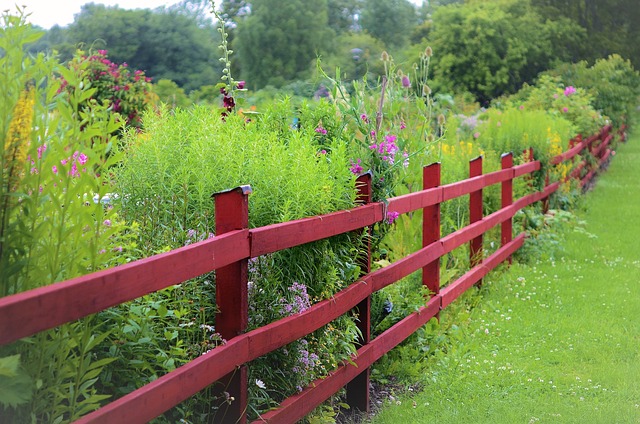
In the quiet, residential neighborhoods of New Bedford, Massachusetts, homeowners often seek ways to enhance their outdoor spaces while ensuring privacy. A well-installed privacy fence serves as a functional and aesthetic addition, offering a sense of seclusion and security. This comprehensive guide delves into the intricacies of bringing a privacy fence to life in New Bedford, from understanding local regulations and material selection to installation best practices and ongoing maintenance tips, ensuring your new fence stands the test of time.
- Understanding Privacy Fence Needs in New Bedford
- Choosing the Right Fence Material and Style
- Permits and Regulations for Installation
- Step-by-Step Guide to Privacy Fence Installation
- Common Mistakes to Avoid During Setup
- Maintaining Your New Privacy Fence
Understanding Privacy Fence Needs in New Bedford
When considering a privacy fence installation in New Bedford, MA, understanding your specific needs is essential. Factors like property size, existing landscaping, and desired level of privacy play significant roles in choosing the right type of fence. For instance, homeowners with large backyards might opt for taller fences to block neighboring views, while those with smaller lots may prefer a low-profile, aesthetically pleasing option that doesn’t obstruct natural light or create a sense of isolation.
Additionally, climate conditions and local regulations must be taken into account. New Bedford’s coastal location brings unique challenges with weather patterns, so durable materials resistant to salt air and wind are advisable. Local building codes can also dictate fence height limitations and material choices, ensuring compliance is crucial for a smooth installation process.
Choosing the Right Fence Material and Style
When it comes to privacy fences, the first step is selecting the ideal material and design that aligns with your preferences and property’s aesthetics. Wood is a popular choice for its natural beauty and versatility in styling, offering options like cedar or pressure-treated pine. Each type has unique characteristics, such as durability or aesthetic appeal, so considering your climate and maintenance expectations is key. Alternatively, vinyl fences are low-maintenance, available in various colors and styles to mimic wood or create a more modern look.
The style of your fence should complement your home’s architecture and surrounding landscape. Traditional privacy fences feature straight lines and uniform panels, providing a classic and formal look. For a more contemporary feel, consider angular designs or unique patterns that break away from conventional aesthetics. Some even incorporate lighting elements for enhanced security and ambiance. Choose a design that not only offers the desired level of privacy but also adds value to your property while maintaining its aesthetic harmony.
Permits and Regulations for Installation
When installing a privacy fence in New Bedford, MA, it’s crucial to understand and adhere to local permits and regulations. These guidelines are in place to ensure safety, property lines, and aesthetic considerations for the community. Before beginning construction, homeowners should research and obtain any necessary building permits from the relevant city or town offices. The requirements may vary depending on the type of fence, its height, and location relative to property lines and neighboring properties.
Different municipalities have different rules regarding fencing. For instance, some areas might restrict certain materials or designs, while others may have specific guidelines for privacy fences, especially when they border public spaces or roads. It’s essential to review these regulations thoroughly to avoid any legal issues during or after the installation process.
Step-by-Step Guide to Privacy Fence Installation
Installing a privacy fence is a great way to enhance your outdoor space and create a sense of seclusion. Here’s a straightforward guide for New Bedford, MA residents looking to embark on this project.
1. Plan and Preparation: Start by assessing your property and deciding on the type of fence best suited for your needs. Measure the perimeter you want to enclose and gather materials like wood, posts, concrete, and tools such as a post-hole digger, saw, drill, and hammer. Check local building codes and obtain any necessary permits before beginning construction.
2. Marking Out the Fence Line: Use string and stakes to outline your desired fence line, ensuring it aligns with property boundaries. This step is crucial for maintaining both privacy and legal compliance. Dig post holes along this marked line, making sure they are deep enough (typically a third of the post’s height) to support the structure firmly. Place the posts in the holes, level them, and fill the holes with concrete, allowing it to set completely. Once the posts are secure, attach fence panels or pickets according to your chosen design.
Common Mistakes to Avoid During Setup
When installing a privacy fence in New Bedford, MA, there are several common mistakes to avoid. One of the most frequent errors is neglecting proper site preparation. Before setting any posts, ensure the ground is level and compacted to support the weight of the fence. Uneven terrain can lead to uneven posts, compromising the overall stability and appearance of your new privacy barrier.
Another mistake to steer clear of is improper spacing between posts. The general rule is to place posts no more than 6 to 8 feet apart to maintain structural integrity. Inadequate spacing can result in a fence that sags or leans over time, requiring costly repairs. Always measure and mark the intervals accurately before drilling holes for posts.
Maintaining Your New Privacy Fence
After your new privacy fence installation in New Bedford, MA, proper maintenance is key to ensuring its longevity and aesthetic appeal. Regular cleaning with a soft brush or hose will keep it looking neat, removing any dirt or debris that could accumulate over time.
Inspecting your fence for any signs of damage, such as broken boards or loose posts, is essential. Promptly addressing these issues through repairs or replacement will prevent small problems from escalating into larger, more costly damages. Applying a fresh coat of paint or sealant annually can also protect the wood, maintaining its color and preserving it against weather conditions.