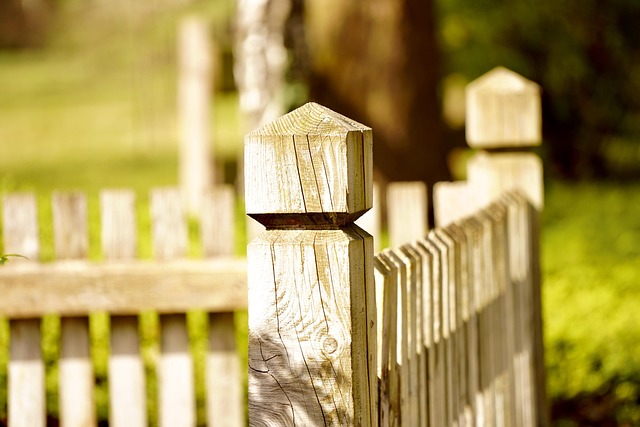
In coastal regions, where harsh weather conditions and salty air pose unique challenges, durable wooden fencing is an attractive and sustainable solution. This article explores the intricacies of choosing and maintaining robust wood fences designed to withstand the rigors of coastal environments. From understanding the specific challenges to selecting the ideal wood species and installation methods, we delve into strategies that ensure longevity and minimize environmental impact. Additionally, we provide valuable maintenance tips to keep your coastal fencing in top condition.
- Understanding Coastal Fencing Challenges
- Benefits of Durable Wooden Fencing
- Choosing the Right Wood Species for Coastlines
- Installation Techniques for Maximum Durability
- Maintenance and Longevity Tips
- Environmental Impact and Sustainability Considerations
Understanding Coastal Fencing Challenges
Coastal areas present unique challenges when it comes to fencing due to harsh weather conditions, including high winds, salt mist, and frequent rainfall. Traditional fencing materials often struggle to withstand these elements, leading to frequent maintenance or replacement. The primary concern is finding a fencing solution that can endure coastal conditions without compromising aesthetics or functionality.
Durable wooden fencing specifically designed for coastal environments offers an ideal solution. This type of fencing is crafted from weather-resistant wood species like cedar or treated timber, ensuring it can resist rot and insect damage caused by salt water and high humidity. Additionally, these fences are often treated with protective coatings to enhance their resistance to corrosion and weathering, making them a long-lasting and visually appealing option for coastal properties.
Benefits of Durable Wooden Fencing
Durable wooden fencing offers a range of benefits for coastal areas, providing both functional and aesthetic advantages. One of its key strengths is its natural beauty and versatility in design. Wood fences can be customized to fit any style or landscape, from traditional picket fences to more modern, sleek designs. They seamlessly blend with the outdoor environment, creating a harmonious look that enhances the overall curb appeal of coastal homes.
Moreover, durable wooden fencing is an excellent barrier against harsh coastal elements such as strong winds, salt spray, and extreme temperatures. Properly treated and maintained wood can withstand these challenges, ensuring longevity and minimal maintenance over time. This durability not only saves homeowners from frequent replacements but also contributes to a more sustainable approach by promoting the use of natural, renewable materials.
Choosing the Right Wood Species for Coastlines
When selecting wood for coastal fencing, understanding the unique challenges of the environment is key. The harsh marine climate presents issues like increased moisture levels, salt mist, and potential pest intrusion. Therefore, opting for a durable wood species that can withstand these factors is essential to ensure longevity and minimize maintenance.
Hardwoods like cedar, redwood, and cypress are renowned for their resistance to decay and insects. These species have natural oils that repel water and inhibit mold growth, making them ideal choices for coastal areas. Their dense structure also provides excellent strength, ensuring the fence can withstand strong winds and storms.
Installation Techniques for Maximum Durability
When installing durable wooden fencing in coastal areas, several techniques can enhance its longevity and resistance to harsh environmental conditions. One crucial method is ensuring proper grounding. Since salt water and high humidity levels can contribute to corrosion, securing the fence posts firmly to concrete or driven pilings prevents rot and maintains stability. Additionally, using galvanised nails and screws, as well as waterproof glue, helps keep the wood together, preventing water from seeping into joints.
Another essential step is regular maintenance. This includes cleaning the fence to remove salt deposits and other debris, applying fresh coats of protective paint or sealant every few years, and inspecting for any signs of damage or rot. By implementing these installation techniques and committing to routine care, homeowners can extend the lifespan of their coastal wooden fences, ensuring they remain sturdy and aesthetically pleasing for years to come.
Maintenance and Longevity Tips
When it comes to maintaining durable wooden fencing in coastal areas, regular cleaning and inspection are key. Salt air and moisture can accelerate wood decay, so a proactive approach is essential. Use a pressure washer or soft brush to remove salt buildup and dirt, then apply a fresh coat of water-repellent sealer annually. This simple step will significantly extend the life of your fence.
Additionally, choose rot-resistant wood species like cedar or treated timber for longer durability. Ensure proper drainage around the fence to prevent water pooling, and consider elevated posts for added protection against moisture. Regular checks for loose boards, rusted hardware, or signs of pest infestation will also help catch potential issues early, ensuring your coastal fencing remains strong and sturdy for years to come.
Environmental Impact and Sustainability Considerations
When considering durable wooden fencing for coastal areas, it’s crucial to look beyond aesthetic appeal and functionality and explore the environmental impact and sustainability of the chosen material. Wooden fences, if not properly maintained or made from sustainable sources, can contribute to deforestation and carbon emissions. The production process, including logging practices and transportation, plays a significant role in shaping the overall ecological footprint.
Moreover, coastal areas are particularly sensitive ecosystems. Treated wooden fences that contain chemicals for rot resistance can leach harmful substances into the soil and water table over time. Opting for untreated, locally sourced wood from sustainably managed forests minimizes these risks. Additionally, incorporating recycled or reclaimed materials further enhances the sustainability profile, reducing demand for new resources and diverting waste from landfills.